
Last Updated on March 2, 2026 by Fadra Nally
There’s nothing better than reviewing a movie as a regular moviegoer, which is exactly what I did for a recent AMC Screen Unseen showing of How to Make a Killing.
I’ve mentioned before that I’m a big fan of AMC’s Screen Unseen program, where you show up on a random Monday night for a surprise screening of an unreleased movie. If you’re the type who likes to guess ahead of time, there are usually spoiler-ish prediction threads floating around online.
But for this one, I went in completely blind, ready to be surprised.
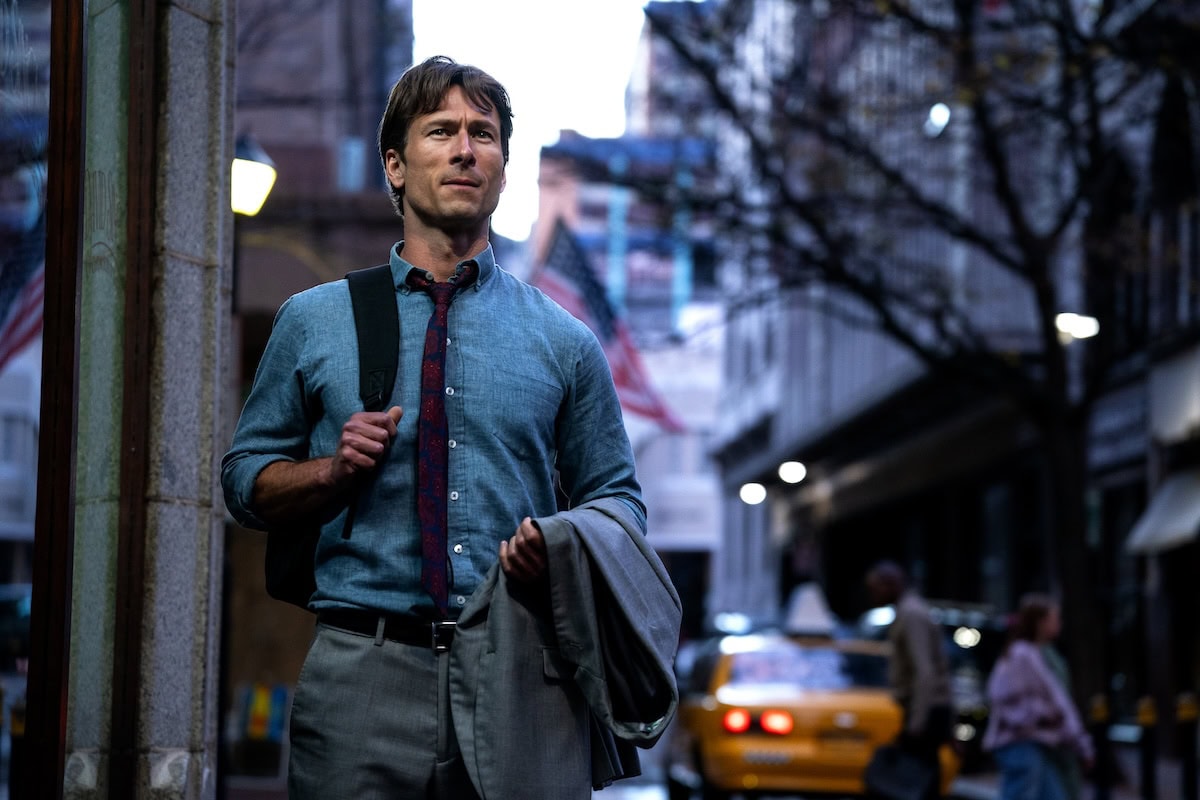
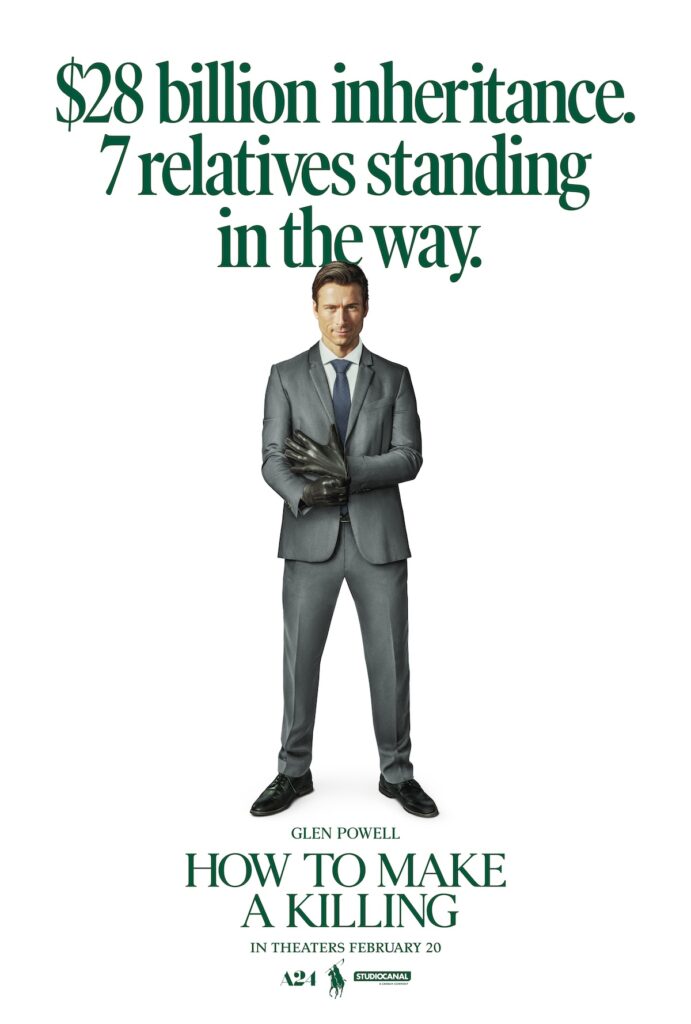
I expected a smaller film with a modest marketing budget (hence the surprise screening), so I was immediately caught off guard when Glen Powell, an up-and-coming leading man, showed up. What we got was one of the latest A24 films, How to Make a Killing, starring Powell, Margaret Qualley, Ed Harris, Topher Grace, and a supporting cast of lesser-known but equally talented actors.


The synopsis:
Disowned at birth by his obscenely wealthy family, blue-collar Becket Redfellow (Glen Powell) will stop at nothing to reclaim his inheritance, no matter how many relatives stand in his way.
The film opens with Becket sitting on death row, reluctantly but confidently confessing his sins to a priest. We know up front he’s a convicted killer, so we’re ready for his story.
What we’re not prepared for is a riches-to-rags setup that somehow makes him both likable and relatable.
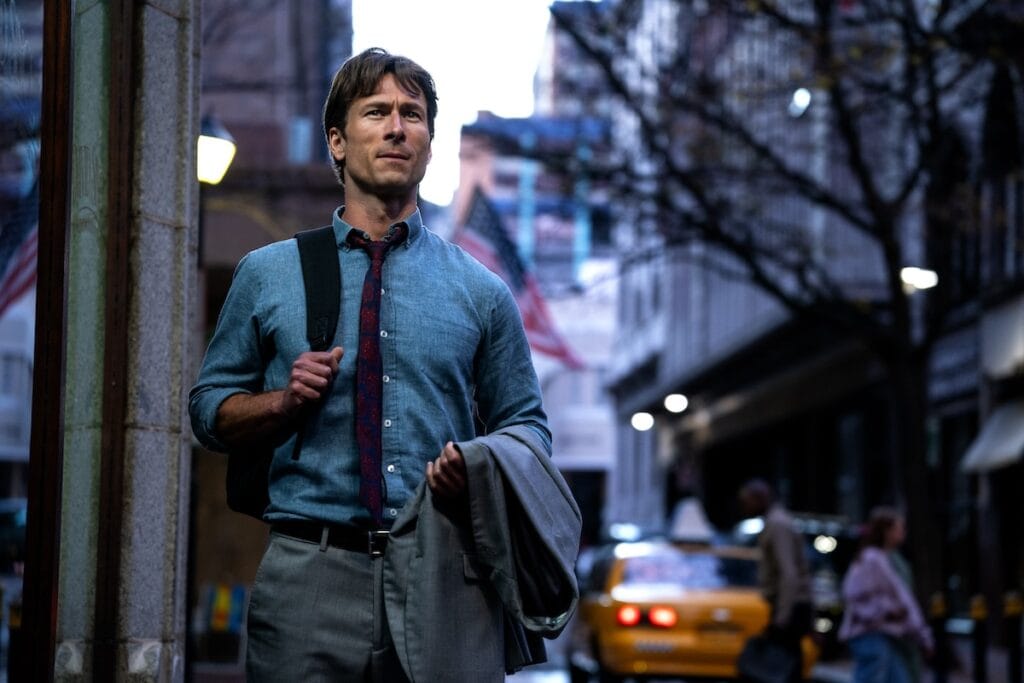
Becket is the son of an heiress whose out-of-wedlock pregnancy gets her disowned by the family. She and Becket are cut off and pushed into a harder life… until Becket realizes there may be a loophole. He just might be entitled to the fortune he’s been denied if he happens to be the last surviving Redfellow family member.
And as you might imagine, that’s where the killing begins.
On the plus side, Powell does a great job making Becket sympathetic (but not pathetic), while still letting him be charming and oddly easy to root for. He comes across as a hard-working guy who just wants a fair shot, not a money-grubbing, power-hungry heir. Life keeps kicking him while he’s down, and after his mother dies, echoing her belief that he deserves better, he decides to create the life he thinks he’s owed.
On the other hand, Becket makes some questionable choices that end up working in his favor a little too neatly. His life starts to turn around. He finds a promising career and a loving girlfriend. By this point, you start thinking, Okay… shouldn’t this be enough?
And yet, he continues to pursue the inheritance, even when the personal stakes feel less clear. That’s the one place where the character’s motivation starts to wobble. I wanted one more beat – something that made it obvious he wasn’t just chasing money, but chasing validation, revenge, belonging, or some deeper compulsion he couldn’t shake.
Still, the story holds up better than you might expect. The writing is snappy, the acting is delightful, and the film strikes a fun balance: it takes itself seriously, but not too seriously. It kept my attention all the way to the end.
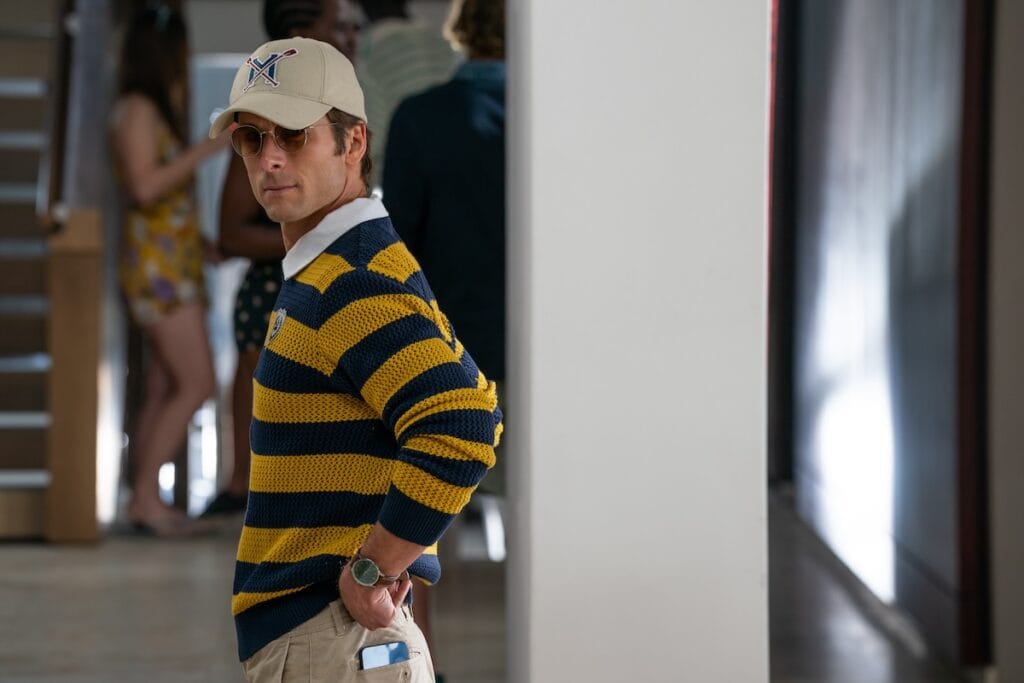
Most complaints about the film seem to fall into two categories. First, comparisons to the original: the 1949 classic Kind Hearts and Coronets. Maybe How to Make a Killing pales next to it but I’ll be honest, I’ve never seen the original (or even heard of it), which means this version feels fresh enough to stand on its own. If anything, it makes me curious to go back and watch the source inspiration.
The second complaint is more along the lines of, “Oh, come on, there’s no way he could get away with that.” And normally, I’d agree. But this is a stylized caper, and it’s asking you to suspend a certain amount of disbelief. Becket is just cunning (and charming) enough that the movie lets him glide past evidence and consequences in a way that’s more entertaining than realistic.
As a surprise screening at a discounted rate, it was absolutely worth the price of admission. But even if you’re planning to spend your hard-earned money on it when it releases, you probably won’t be disappointed, as long as you’re willing to go along for the ride.